
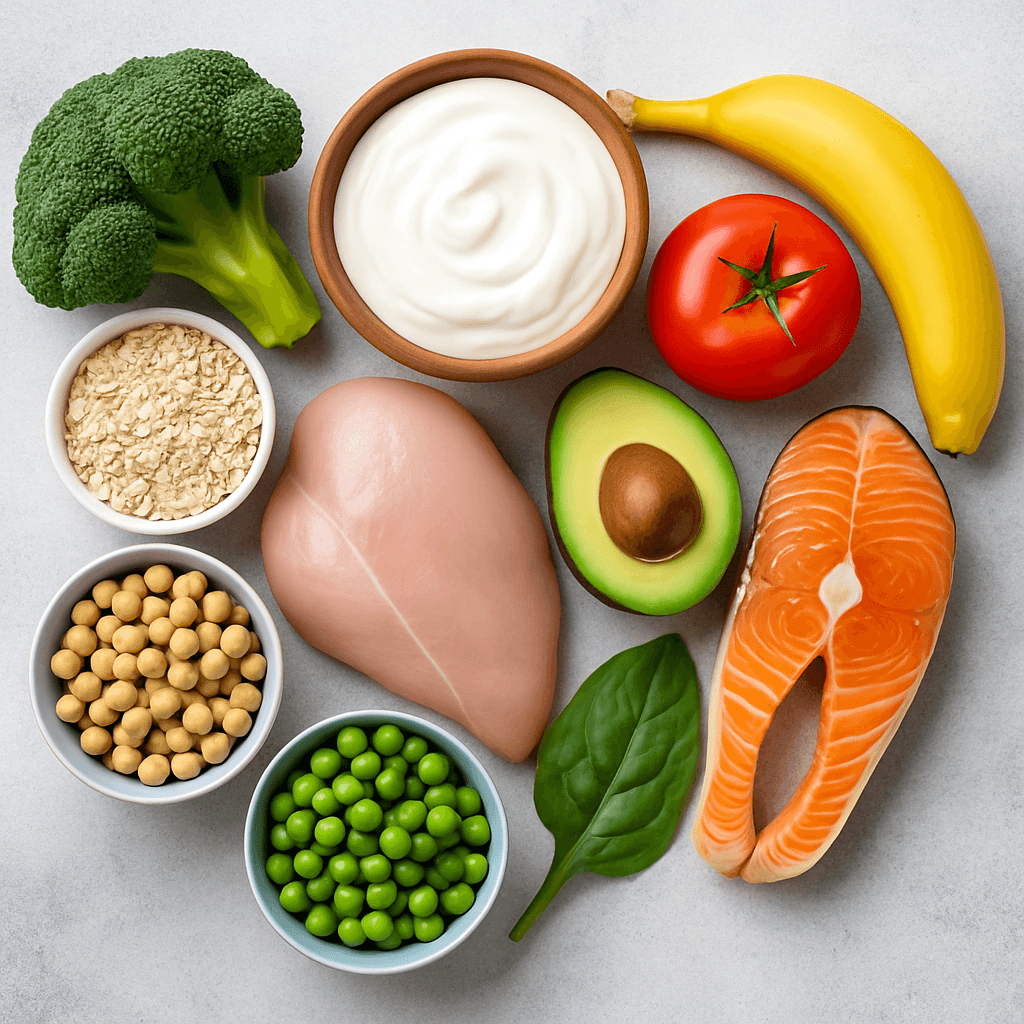
Hello, friends! It’s Abdul here, and today I want to have a heart-to-heart conversation about something that affects every single one of us – what we put on our plates every day.
Why This Matters More Than You Think
Picture this: It’s 2 PM, and you’re sitting at your desk, feeling sluggish after that heavy lunch. Your mind feels foggy, your energy has crashed, and you’re reaching for that third cup of coffee. Sound familiar? You’re not alone – millions of us experience this daily struggle, and it’s often tied to what we eat.
According to the World Health Organization (WHO), a healthy diet is essential for good health and nutrition, protecting against many chronic diseases. But here’s what they don’t tell you in those clinical terms: eating well isn’t just about preventing disease – it’s about feeling alive, energetic, and mentally sharp every single day.
What Exactly IS a Balanced Diet? (In Plain English)
Let me break this down without the fancy nutrition jargon. A balanced diet is simply eating a variety of foods in the right amounts to give your body everything it needs to function at its best. Think of your body like a car – you wouldn’t put just any fuel in it and expect it to run smoothly, would you?
The Dietary Guidelines for Americans, 2020-2025 provides advice on what to eat and drink to meet nutrient needs, promote health, and help prevent chronic disease. But let’s make this practical for your daily life.
The Five Food Groups Made Simple:
- Fruits and Vegetables (Half your plate)
- Think colorful! The more colors on your plate, the better
- Fresh, frozen, or canned – all count
- Grains (Quarter of your plate)
- Choose whole grains when possible (brown rice, whole wheat bread)
- Yes, you can still enjoy white rice occasionally!
- Protein (Quarter of your plate)
- Fish, chicken, beans, eggs, nuts
- Doesn’t have to be expensive – lentils are protein powerhouses
- Dairy or Alternatives
- Milk, yogurt, cheese, or fortified plant-based options
- Great for bone health as we age
- Healthy Fats
- Olive oil, avocados, nuts
- Your brain needs these to function properly
The Mental Health Connection Nobody Talks About
Here’s something that might surprise you: what you eat directly affects how you feel emotionally. Multiple studies have found a correlation between a diet high in refined sugars and impaired brain function — and even a worsening of symptoms of mood disorders, such as depression.
Eating a healthy, balanced diet can help us think clearly and stay alert. It can also improve our concentration and attention span. This isn’t just scientific theory – it’s something you can feel in your daily life.
Personal Story Time: I remember when I was building my aviation consulting business, working long hours and surviving on takeout and energy drinks. I thought I was being productive, but I was actually sabotaging my mental clarity. Once I started eating regular, balanced meals, my focus improved dramatically. Sometimes the simplest changes make the biggest difference.
Busting the Biggest Diet Myths
Let’s address the elephant in the room – all those confusing diet myths that make eating well seem impossible:
Myth 1: “Carbs are the enemy”
Reality: Your brain runs on glucose from carbs. Choose complex carbs like whole grains, fruits, and vegetables. The problem isn’t carbs – it’s the refined, processed ones.
Myth 2: “You need expensive superfoods”
Reality: Spinach is just as nutritious as expensive kale. Apples are as good as acai berries. Good nutrition doesn’t require a premium price tag.
Myth 3: “Eating healthy is too time-consuming”
Reality: A balanced meal can be as simple as scrambled eggs with vegetables and whole grain toast. Takes 10 minutes max.
Myth 4: “You have to give up everything you love”
Reality: It’s about balance, not perfection. Enjoy that piece of cake at your friend’s birthday – just don’t make it a daily habit.
Myth 5: “It’s too late to change at my age”
Reality: Four in five (81%) adults would be willing to change their diet in a way that positively impacts mental health. Your body responds to good nutrition at any age.
What TO Do: Simple Steps for Busy Lives
Start Small, Think Big
- Week 1: Add one extra serving of vegetables to your existing meals
- Week 2: Replace one sugary drink with water
- Week 3: Choose whole grain options when available
- Week 4: Add a piece of fruit as a snack
The 80/20 Rule
Aim to eat well 80% of the time. This gives you room for social events, treats, and real life without guilt.
Meal Planning for Real People
- Sunday: Spend 30 minutes planning your week’s meals
- Prep basics: Wash fruits, cut vegetables, cook grains in bulk
- Keep it simple: Rotate between 5-7 go-to meals you enjoy
- Backup plan: Keep healthy frozen meals for busy days
Smart Shopping Tips
- Shop the perimeter of the store first (fresh foods)
- Read labels – fewer ingredients usually means healthier
- Buy seasonal produce – it’s cheaper and tastier
- Don’t shop when hungry (trust me on this one!)
What NOT to Do: Common Mistakes That Backfire
Don’t Go Extreme
- Cutting out entire food groups
- Drastically reducing calories
- Following fad diets that aren’t sustainable
Don’t Compare Yourself
Your colleague’s keto diet might not work for you, and that’s perfectly fine. Your body, your rules.
Don’t Aim for Perfection
One “unhealthy” meal doesn’t ruin your progress. Get back on track with your next meal.
Don’t Ignore Your Cultural Foods
Healthy eating includes foods from your culture and heritage. Traditional diets often contain balanced nutrition wisdom.
The Physical Health Benefits You’ll Actually Notice
Within the first few weeks of eating a more balanced diet, you might notice:
- Better sleep quality
- More stable energy throughout the day
- Improved digestion
- Clearer skin
- Better mood stability
- Reduced afternoon energy crashes
A balanced diet rich in protein and calories is essential for maintaining overall health and preventing the adverse effects of malnutrition. But beyond preventing problems, you’ll feel more vibrant and energetic.
Making It Work for Your Middle-Aged Life
Let’s be honest – our bodies and lives change as we age. Here’s how to adapt:
Metabolism Changes
- Focus on nutrient-dense foods
- Pay attention to portion sizes
- Stay hydrated – thirst signals weaken with age
Busy Schedule Solutions
- Batch cook on weekends
- Keep healthy snacks visible
- Use a slow cooker or instant pot
- Prepare smoothie ingredients in advance
Social Eating
- Don’t skip meals before social events
- Eat a small, healthy snack before parties
- Focus on conversation, not just food
- Offer to bring a healthy dish to gatherings
Budget-Friendly Approaches
- Buy in-season produce
- Use frozen vegetables (just as nutritious!)
- Buy protein in bulk and freeze portions
- Cook at home more often than eating out
A Week of Real-Life Balanced Eating
Monday:
- Breakfast: Oatmeal with banana and nuts
- Lunch: Salad with grilled chicken and olive oil dressing
- Dinner: Baked fish with roasted vegetables and quinoa
- Snack: Apple with peanut butter
Tuesday:
- Breakfast: Scrambled eggs with spinach and whole grain toast
- Lunch: Lentil soup with whole grain roll
- Dinner: Stir-fry with tofu and brown rice
- Snack: Greek yogurt with berries
Wednesday:
- Breakfast: Smoothie with spinach, banana, and protein powder
- Lunch: Turkey and avocado wrap with whole wheat tortilla
- Dinner: Homemade pizza with vegetable toppings
- Snack: Handful of nuts
(And so on… the key is variety and balance, not perfection)
When to Seek Professional Help
Consider consulting a healthcare professional or registered dietitian if you:
- Have chronic health conditions
- Take medications that affect nutrition
- Experience digestive issues
- Need help with weight management
- Want a personalized meal plan
The Bottom Line: Your Journey, Your Pace
Friends, here’s what I want you to remember: It’s important for everyone to eat a balanced diet with a range of fruit, vegetables, grains and protein. But more than that, it’s about creating a sustainable way of eating that makes you feel good about yourself.
You don’t need to overhaul your entire life overnight. Small, consistent changes add up to big results over time. Start where you are, use what you have, do what you can.
Remember my aviation consulting journey? I didn’t become an expert overnight – it took years of learning, practicing, and adjusting. The same applies to nutrition. Be patient with yourself, celebrate small wins, and keep moving forward.
Your Next Steps
- This week: Try one new balanced meal
- This month: Establish a simple meal planning routine
- This year: Build eating habits that make you feel energetic and confident
Resources for Your Journey
- World Health Organization – Healthy Diet Facts
- Dietary Guidelines for Americans
- MyPlate.gov – Simple meal planning tools
Connect With Me
What’s your biggest challenge with balanced eating? Have you found any simple strategies that work for your busy life? I’d love to hear your thoughts in the comments below.
And if you’re interested in reading more about personal growth and life lessons, check out my other posts on Heart to Heart where I share insights from my journey in aviation consulting and life in general.
Remember, we’re all in this together – heart to heart.
Stay healthy, stay inspired, Abdul
Disclaimer: This blog post is for informational purposes only and should not replace professional medical advice. Always consult with healthcare professionals before making significant dietary changes, especially if you have underlying health conditions.
Leave a Reply